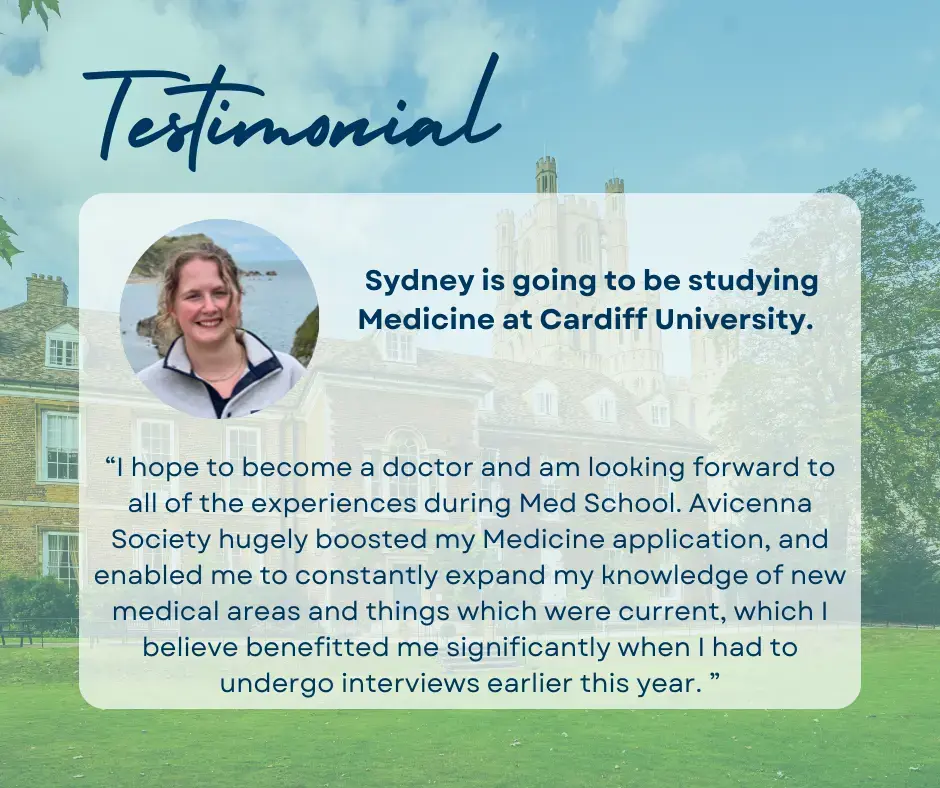
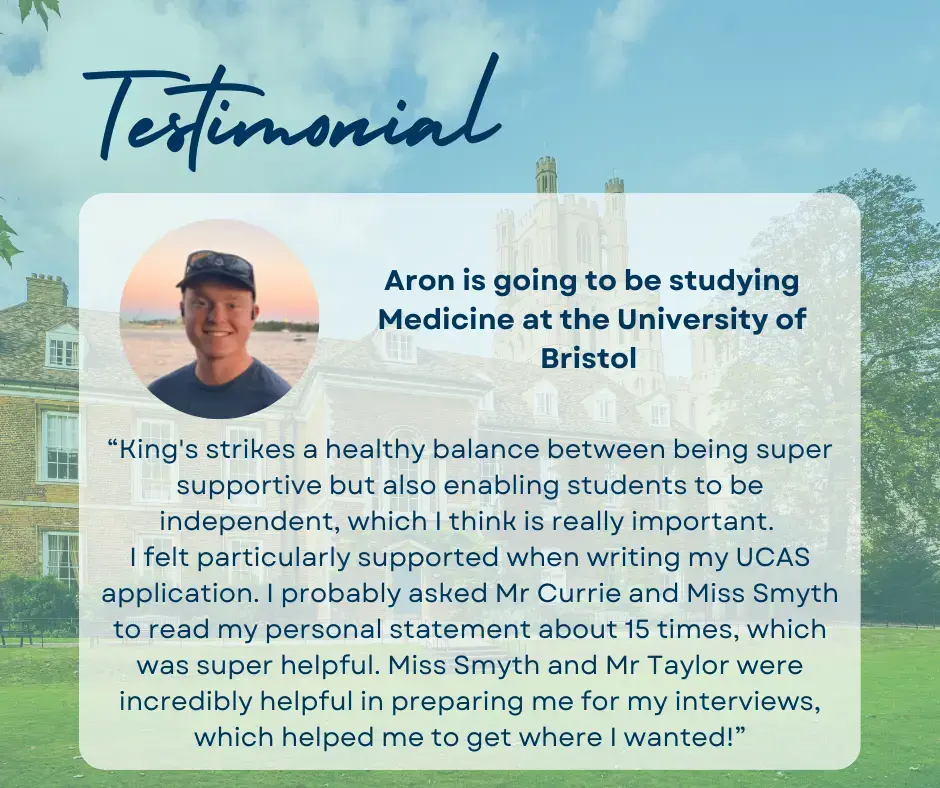
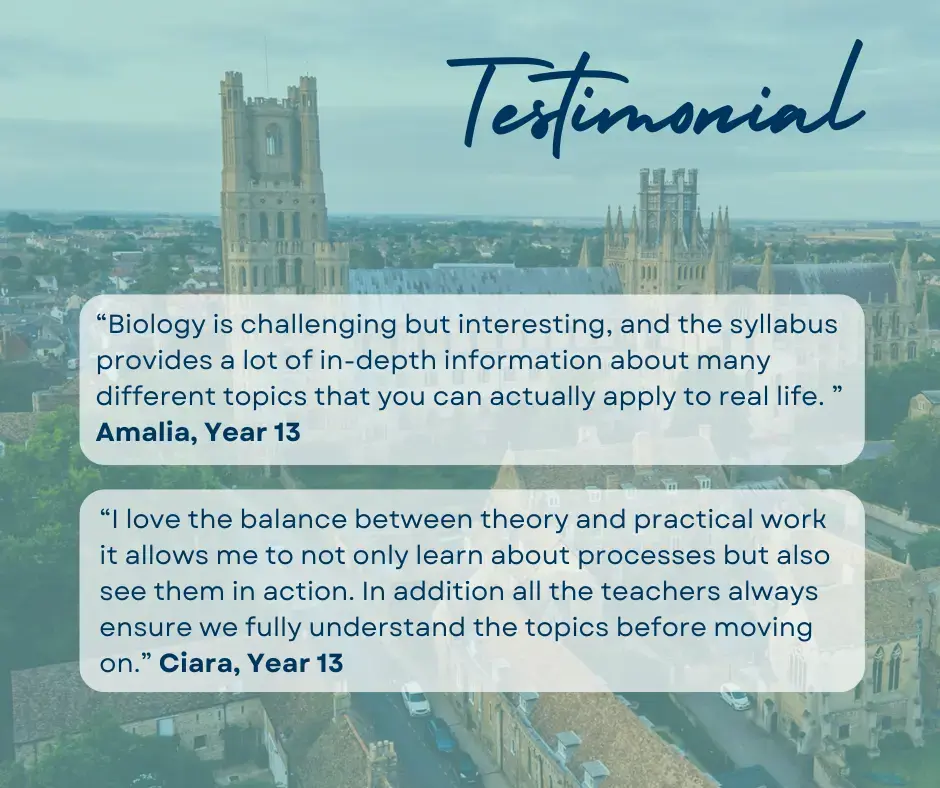
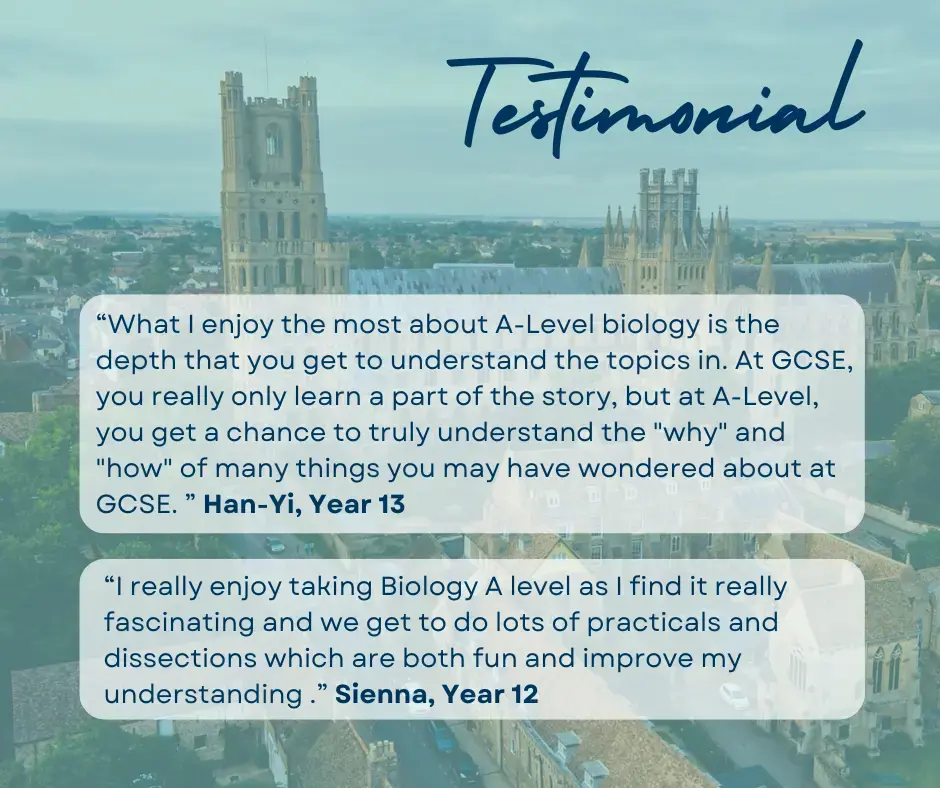
Biology A Level gives access to the large range of Biology and Biology-related university courses as well as providing an essential qualification for most Medicine and Veterinary Science courses.
Biology also provides a worthwhile academic qualification for students who have an interest in the subject but who do not intend to take the subject beyond A Level.
The new Biology A (OCR) course is content led. It provides a flexible approach for us to provide the most relevant, exciting and up-to-date contexts in which you can learn Biology.
Find out more at our next open day!
| Prerequisite |
|
Minimum GCSE grade 6 for Double Award Science/Biology.
As 10% of the course has mathematical content, grade 7 at GCSE Maths is needed to study this subject.
|
| Topic Overview |
Biology A (OCR) is divided into 6 Modules:
- Development of Practical Skills - Planning, Implementation, Analysis and Evaluation.
- Foundations in Biology - Cell structure; Biological molecules; Nucleotides, DNA and RNA; Biological membranes; Cell division.
- Exchange and Transport - Exchange surfaces; Transport in Animals; Transport in Plants
- Biodiversity, Evolution and Disease.
- Communications, Homeostasis and Energy - Excretion; Neuronal and Hormonal Communication; Photosynthesis and Respiration.
- Genetics, Evolution and Ecosystems - Cellular Control; Inheritance; Manipulating. Genomes; Biotechnology; Ecosystems; Populations and Sustainability.
The A Level course is made up of Modules 1-6, combined with the Practical Endorsement.
Structure of the course
Linear assessment, with all exams at the end of the course.
|
| Assessment |
Exams and practical work
10% of the total A Level marks require the use of Level 2 (Higher tier GCSE) mathematical skills.
There will be no internal assessment that leads to marks that contribute towards the A Level grades. Practical work will be assessed in the written papers.
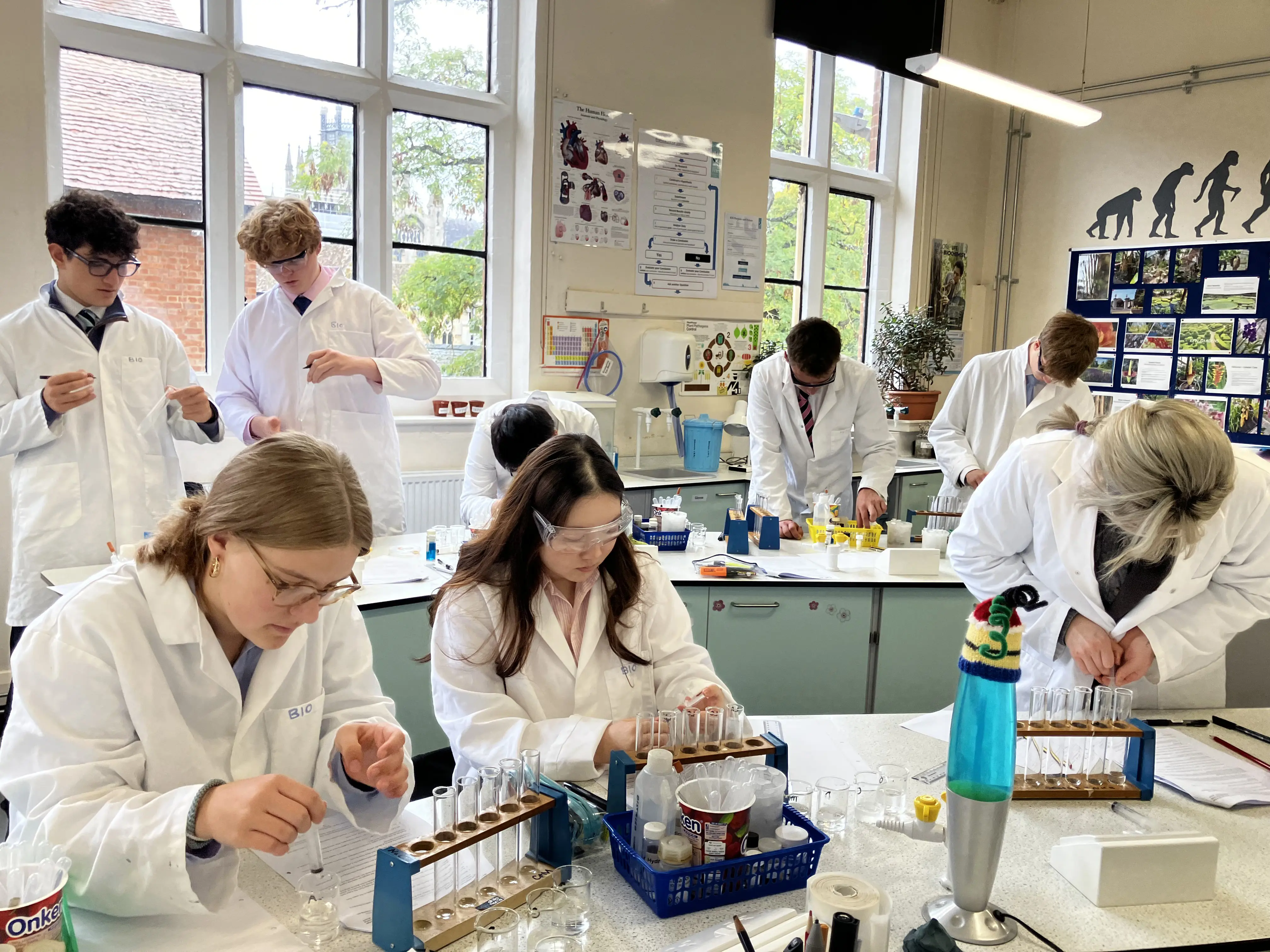
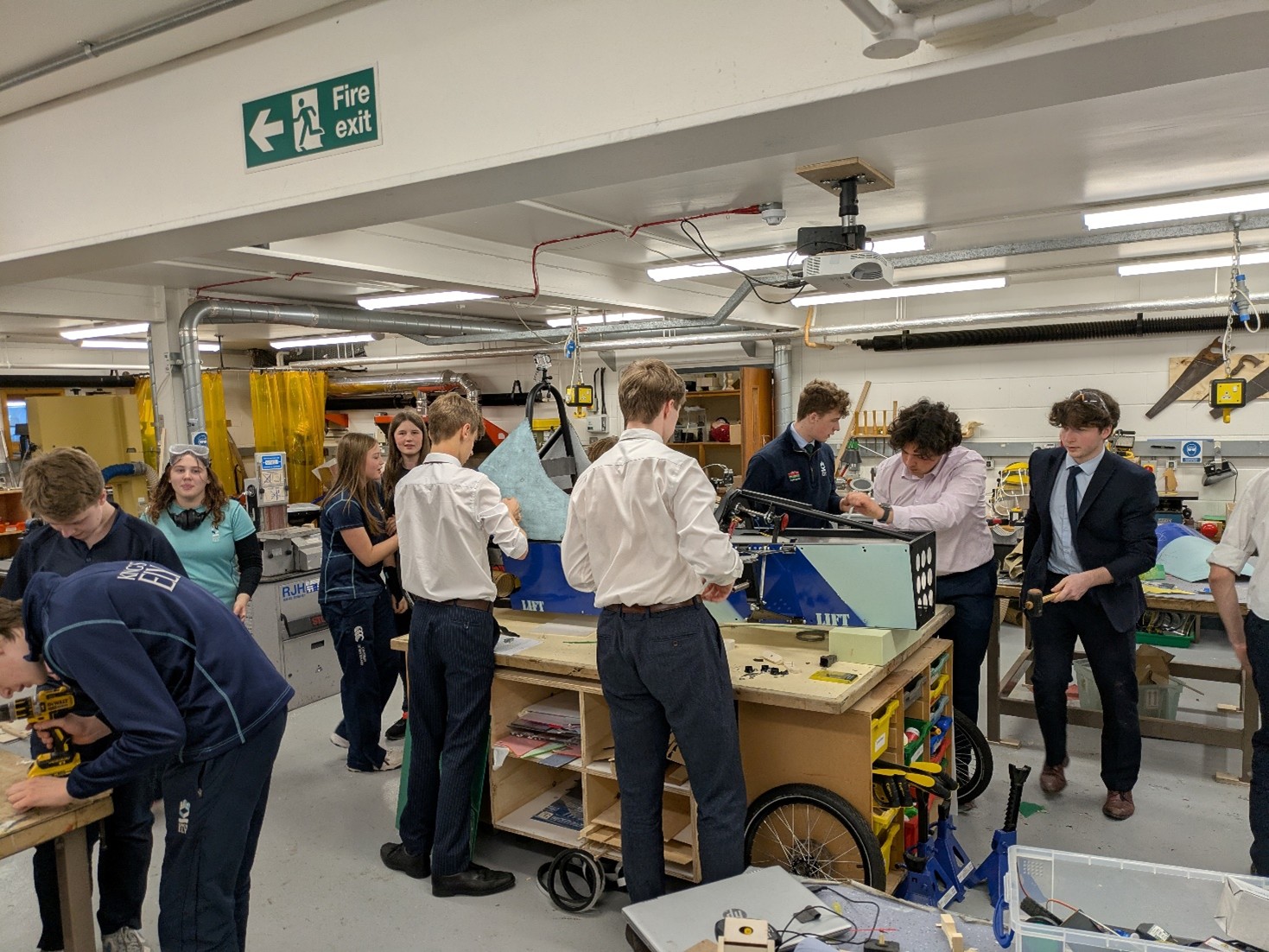
We have excellent equipment at King’s Ely in the department for carrying out the required practical work and at the end of Year 12 we have a field trip to the Norfolk North Coast in order to develop key sampling for Module 6.
The course within King’s Ely
Component 01 - Assesses content of Modules 1,2,3 and 5
- Assessment: Written exam: 2 hours 15 mins. 100 marks - 37% of A Level
- Questions: Split into 2 sections: Section A - 15 marks: multiple choice questions. Section B - 85 marks a mixture of short and extended response questions
Component 02 - Assesses content of Modules 1,2,4 and 6
- Assessment: Written exam: 2 hours 15 mins. 100 marks - 37% of A Level
- Questions: Split into 2 sections: Section A - 15 marks: multiple choice questions. Section B - 85 marks a mixture of short and extended response questions
Component 03 - Assesses content of all modules
- Assessment: Written exam: 1 hour 30 mins. 70 marks - 26% of A Level
- Questions: 70 marks: Question styles include short AND extended response questions
Component 04- Practical Endorsement in Biology
- Non-exam assessment
- Learners complete a minimum of 12 assessed practicals. Pass/Fail awarded by teacher.
Biology A Level Exam Specification
|
A Level Biology will help you;
- gain analytical skills,
- enjoy evaluating data and evidence,
- learn about human and plant biology, alongside biochemistry and the science of the world around you.
It will also support an application at University for another Science subject.
| Careers in Biology (what jobs could I get?) |
|
Biology offers a wide range of career options and opportunities for school-leavers, graduates and postgraduates. First of all, there's no such thing as a typical biologist. Entering a cerrer in biology could take you in almost any direction you can think of, and to anyweher in the world.
So, what can you do with a biology qualification?
- Biology careers in research
- Biology careers in healthcare
- Biology careers in environmental conservation
- Biology careers in education
- Biotechnology
- Forensic science
- Government and policy
|